


Common Car Seat Mistakes to Avoid
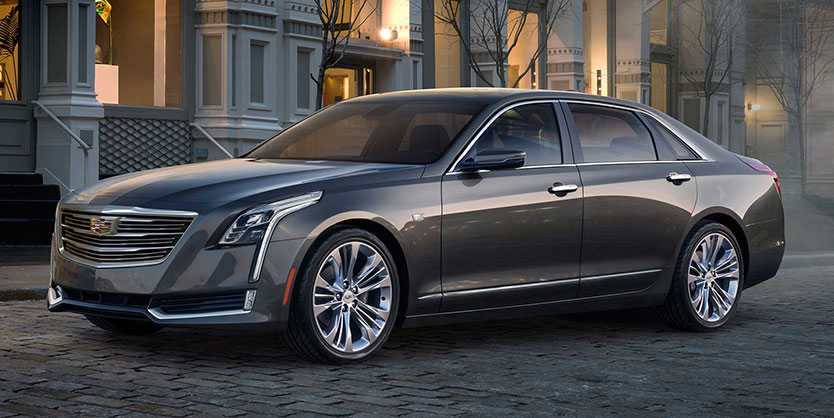
When toting around kids – no matter the age, you want to ensure you invest in a vehicle that will keep everyone as safe as possible. Enter the 2016 Cadillac CT6 sedan. Impressive in many ways, the CT6 especially stands out in safety protection. From all of the must-have safety equipment like airbags and rearview camera to upscale safety warnings and intervention systems, not a single spec of this sedan goes unprotected. Favorite safety features, included
- OnStar emergency telematics system
- Forward-collision warning with pedestrian detection
- Automatic braking system (including low-speed automatic braking)
- Night vision camera
- Rear camera mirror
But, as an everyday convenience and due to all of the latest safety features, it’s easy to forget how dangerous cars can be. It may be frightening to contemplate, but the reality is that even the shortest of drives can be catastrophic. Thousands of kids under age 16 are injured or killed in car crashes every year with many of them occurring due to car seat mistakes. According to the NHTSA, more than 7- percent of young automobile passengers are exposed to potentially fatal consequences – all because they are not strapped in properly.
To keep children safe in your vehicle, here are the most common mistakes to avoid.
Buying the wrong car seat. It’s easy to think all car seats are a one-size-fits-all product, but in truth, some will fit the design of your vehicle better than others. Car seats are meant to be strapped into your car via seat belts or the LATCH system (found in cars made post 2002). Tether straps should match up properly with the anchors inside your car and the seat should fit snuggly in the backseat. You also want to be able to easily handle the car seat. If installing or uninstalling is difficult, this leads to an increased change of dangerous situations occurring.
Incorrect car seat installation. When a car seat is installed, it should be so tightly secured that it effectively becomes part of your car’s structure. This means it should not be able to move more than an inch when you shake it from side to side, or when you pull it forward. The best way to ensure a tight fit is to pres your knee into the car seat and push your weight into it while tightening the seat belt or LATCH tether straps.
Strapping child in too loosely. Loose car seat straps may seem easy and more comfortable, but they don’t provide the security they are meant to. For car seat straps to serve their purpose, it is critical that they provide a snug fit. Car seats that feature a plastic harness clip should be placed level with your child’s armpits (across the chest) in order to securely hold their shoulders in place. If placed too low, the harness clip can damage vital organs in the events of a crash.
Turning seat around too early. Many parents can’t wait for the day when they can turn their child’s seat around so they can face forward. While you may think your child will be happier facing forward, turning their seat around too early can be a dangerous mistake. For optimal protection, children should remain in a rear-facing seat until they are at least a year old and 20 pounds. Infants are especially vulnerable to head and spine injuries if their car seat isn’t facing the back. So be sure to keep your child in a rear-facing seat as long as possible.
For ultimate safety, the Cadillac CT6 sedan is an excellent choice. To check it out in person, and to test your child’s car seat for secure protection, drop by our Faulkner Cadillac dealership in Mechanicsburg, PA, near the Harrisburg Area.
Connect with us

Categories